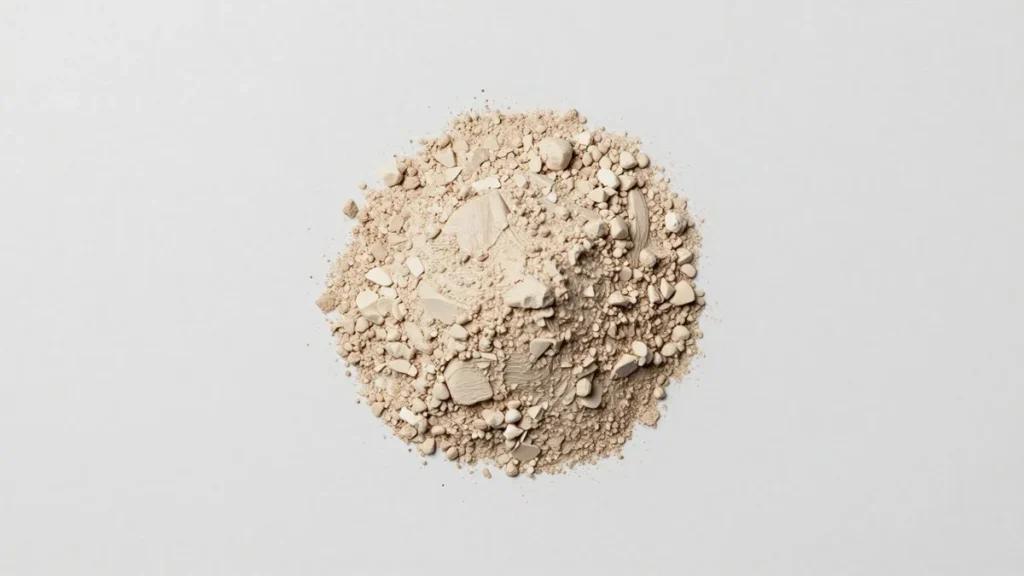
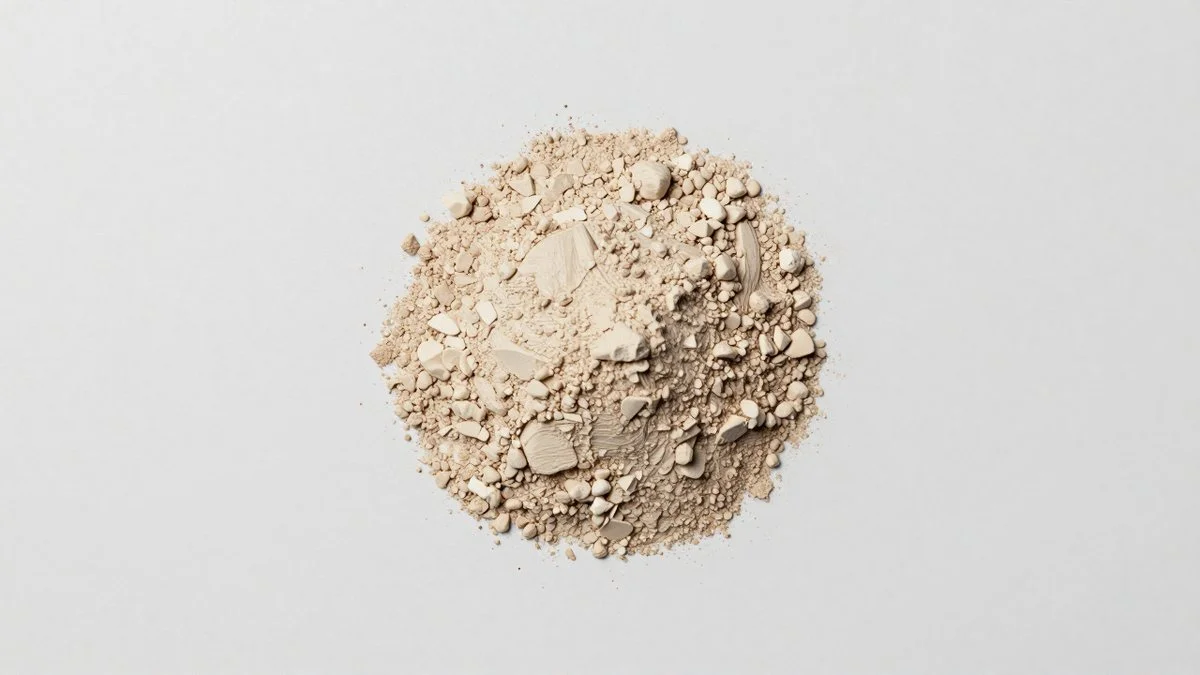
There’s a particular moment — maybe 2 p.m. after lunch — when your T-zone gives you away. You fish your compact out of your bag, and if that powder is the wrong one, the touch-up turns into a white, powdery patch that needs its own fix.
So: which powder should you actually buy? If your skin runs shiny, start with the Physicians Formula Mineral Wear face powder — a light, oil-absorbing option with a mirror and brush in the compact. If you want one product that covers, sets and carries SPF, the jane iredale PurePressed Base does it all. For a soft finish over makeup, the bareMinerals Original Mineral Veil Pressed is the one I reach for. And if blurring is your goal, the Kosas Cloud Set bakes out the look of texture without a heavy layer. All four are talc-free — that means the formula is built on minerals like mica and silica instead of talc, and all four are compact enough to live in a bag.
Isabelle’s Edit — my one rule for the bag: the powder you carry is a finishing step, not your sunscreen. A thin dusting of SPF in a powder is far below the amount the label needs, so treat it as a bonus, not a plan.
What I’ve actually kept in my bag
Here’s how I see these four, and where each one earns its place.
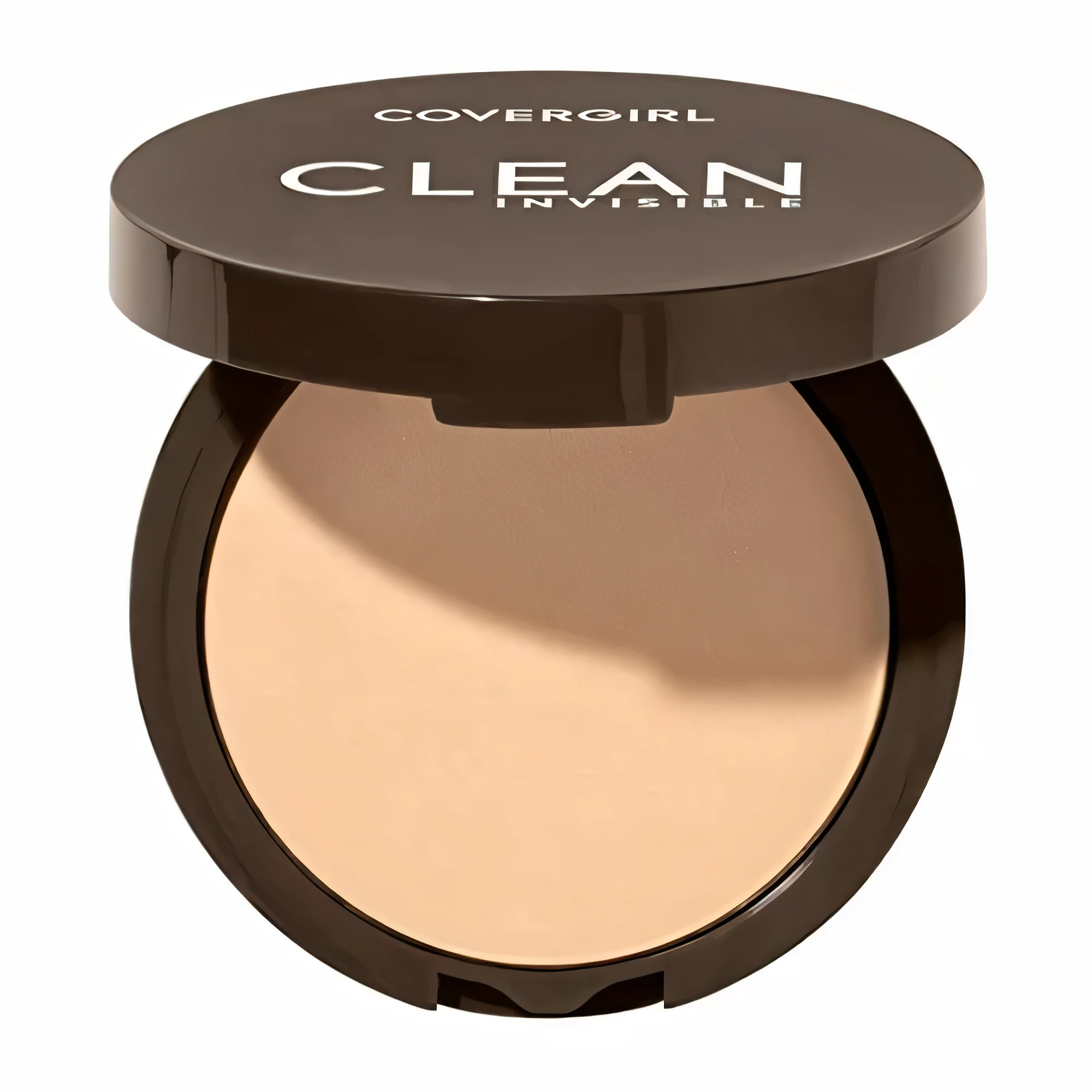
Physicians Formula Mineral Wear — the budget pick. Physicians Formula sells two talc-free pressed versions. The airbrushing version is a light-to-medium coverage mineral powder with SPF 30 and a kabuki brush in the compact — that’s the one I keep for genuinely sensitive skin, since the brand positions it as fragrance free and non-comedogenic. The lighter Mineral Face Powder is sheer, aimed at absorbing oil through the day, and comes with a mirror and brush. The honest trade-off: mineral pressed powders can sit a little dry or flaky on drier skin, so moisturize first and apply in thin layers.
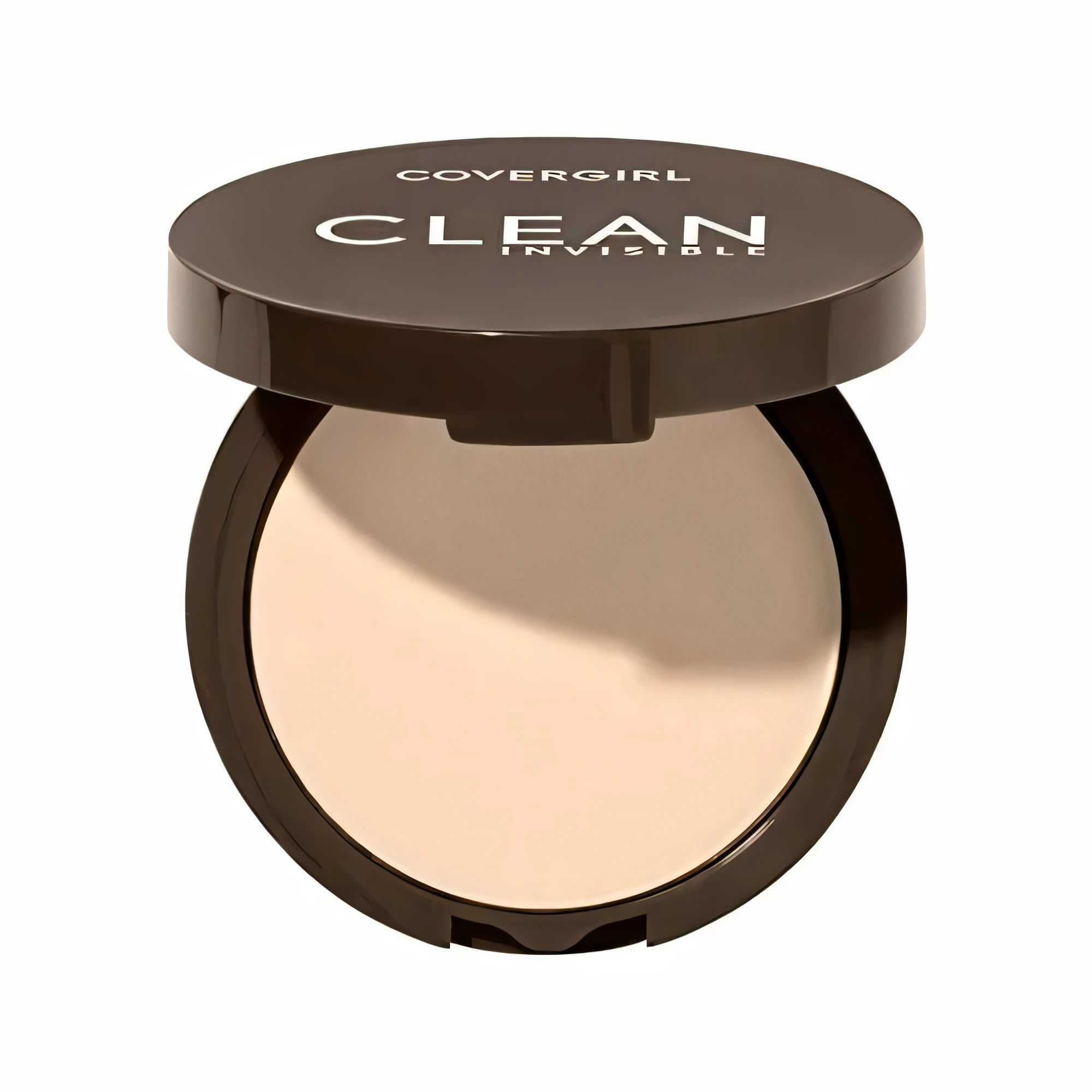
jane iredale PurePressed Base — the premium all-in-one. This is a pressed mineral foundation, not only a setting powder: buildable medium-to-full coverage, a semi-matte finish, and SPF 20. The brand describes it as talc-free and suitable for sensitive skin. It’s sold as a refill that clicks into a separate refillable compact, so the first purchase costs more than the later ones. It’s roughly three times the price of the drugstore picks, and mineral foundations take practice to apply smoothly — but as a single-step makeup for travel, it’s the one that makes sense.

bareMinerals Original Mineral Veil Pressed — the finishing layer. A talc-free finishing powder built on mica and silica, with iron oxides and nourishing butters such as shea and cocoa. The finish is sheer and soft-matte, and it’s the easiest of the four to carry. It suits normal to dry skin that wants a soft set. The trade-off: those added butters make it less powerful at controlling very oily skin than a pure silica powder.
Kosas Cloud Set — the baked blur. A talc-free baked setting powder whose list starts with mica and silica, with plant extracts the brand positions for oil and the look of pores. It works over foundation to blur the look of texture without a heavy powdery layer. It’s a premium finishing step rather than a foundation, so think of it as the last gesture, not the base.
How to choose (the formula)
Here’s what I tell my clients when they stand in front of a shelf of compacts and freeze. Four checks, in order.
1. Decide: setting or coverage. If you already wear foundation, you need a sheer finishing powder. If you want one product for the whole day, a pressed mineral foundation with SPF is closer to what you need.
2. Check the base minerals. Mica gives glow, silica gives blur and oil control, and zinc oxide or titanium dioxide give coverage and sun filter. Shine-prone skin should favor silica; drier skin should favor mica with butters.
3. Look at shade range and undertone. Mineral pressed powders can look ashy if the shade is too light. Match the undertone — warm, cool or neutral — at the jaw, in daylight.
4. Think about the compact itself. A built-in mirror and brush make midday touch-ups easy; a refill-only pan is better for long-term use. And weight matters if you carry it daily.
The Confidence Formula: Right minerals + right shade = a touch-up that disappears into skin.
The math of a compact
A pressed compact typically holds around 8 to 10 grams. Used twice a day for touch-ups, it can last about 2 to 3 months, so a larger pan or a refill system brings the monthly cost down. A quick example: a pan that holds 9 grams, used at roughly 0.15 grams per application twice a day, works out to about 0.3 grams a day — around 30 days at that rate. Apply only once a day and you stretch it to two months. A refillable base like the PurePressed costs more at the start, but each later refill is cheaper than a whole new compact, so over a year the gap narrows.
Three mistakes I keep seeing
One — using the powder’s SPF as your main sun protection. It’s supplemental. Two — pressing powder straight over oily skin without blotting first, which is what leads to caking. Three — reaching for a “translucent” shade that turns white under flash photography. And one habit worth keeping: wash your brushes and sponges weekly to avoid breakouts.
Quick answers
Is pressed powder better than loose? Pressed is easier to carry and control for touch-ups; loose gives a lighter, more even set at home. Many people keep both.
What does “non-comedogenic” mean? The formula was designed not to clog pores — but it’s not a regulated guarantee. Patch test and watch your skin for several days.
Can talc-free powder cause breakouts? Any product can, depending on your skin. Look for fragrance-free formulas, keep your brush clean, and for persistent acne, a dermatologist is the right call.
How do I apply it over makeup? Press, don’t rub. A puff or brush onto the shiny zones, after foundation has set. Tap off the excess first to avoid a cakey finish.
Does it work on oily skin? Yes — especially the silica-based ones. Blot first, then press a thin layer over the T-zone.
This is general information, not medical advice. If you have a skin condition, check the full ingredient list or ask your dermatologist.
A note from Isabelle
Style isn’t about becoming someone else — and the same is true of makeup. You don’t need five compacts, you need the one that suits the skin you actually have. Pick the formula for your day, carry it without fuss, and let the rest of your routine do the talking.
For more on building a routine that works around your real life: Skincare on a weekday morning: the 5-minute version and Warm, cool or neutral: how to find your undertone in daylight.