

I still remember the first blazer I bought straight off a look I loved. It cost more than my monthly rent, the shoulders were a full size too wide, and I wore it exactly twice. That was the lesson a Parisian buyer would have seen in seconds: a runway look is a sentence, not a word. You don’t wear the whole look. You borrow one element.
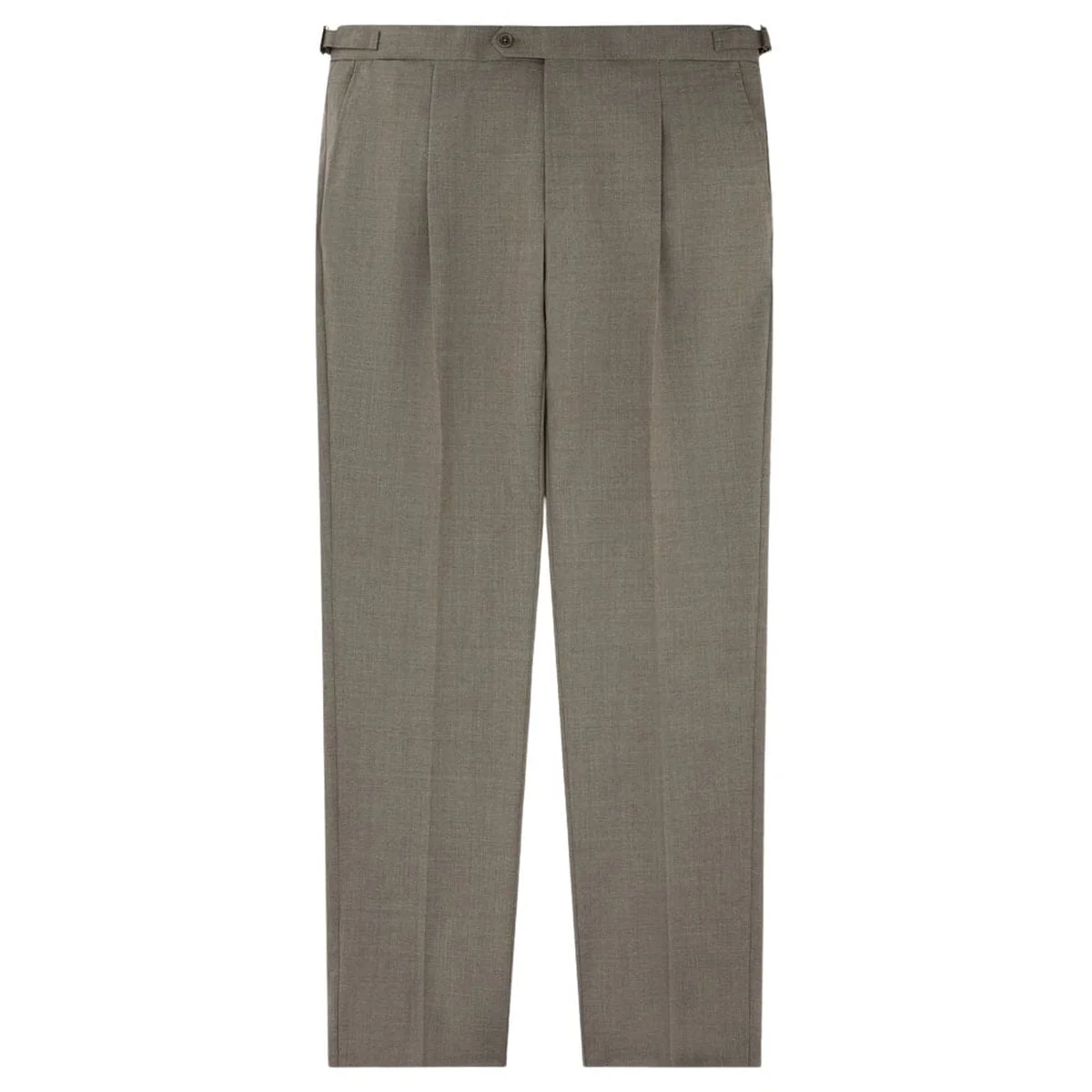
This year’s shows were full of bold concepts, but I’ve pulled out the six that actually travel well into an everyday wardrobe. The goal isn’t to copy a collection. It’s to find the one piece that makes your own clothes feel considered.
1. Tailoring that knows its shape
We spent a few years letting tailoring soften — dropped shoulders, loose legs, oversized lapels as the default. The new season shows a quiet shift back. Gucci came out with sharper, more precise tailoring — strong shoulders, cleaner lines. Tom Ford did the same, with leaner cuts and close-fitting jackets that brought structure back to the table. Jackets that actually acknowledge where your shoulder ends.
This isn’t a call to dig out the suit that constricted your blood flow a decade ago. Think of it as a recalibration. Less excess fabric. A cleaner line. A jacket cut close enough to hold its shape without fighting you.
The Confidence Formula: clean line + true fit = quiet authority.
2. Mixing the formal and the easy
The most confident wardrobes on my feed have been pushing this to the edge — trail shoes with tailored trousers, a technical jacket over crisp shirting. Ferragamo paired utilitarian vests with crisp shirting and tailored trousers. Gucci mixed sportswear with smarter pieces. Marni bounced between tailoring, workwear and colourful knitwear. It’s about creating contrast on purpose, not by accident.
The trick is making the contrast look deliberate. If you throw a jacket over a sharp shirt and the result looks like you got launched into a thrift store by a trebuchet, you’ve gone one layer too many. One relaxed piece against one precise one. That’s the whole game.
Try the technical jacket with tailored trousers. Or a fishing vest over an Oxford shirt. Stop sorting your closet into rigid boxes — that’s where the friction lives.
The Confidence Formula: one precise piece + one relaxed piece = deliberate contrast.
3. Color that takes a risk
Quiet luxury gave us a lot of beige, navy, grey and every shade of oatmeal. The new season is letting color creep back in — not neon, but shades that refuse to play it safe. Earthy tones with a flash of something brighter. A saturated purple against a soft pastel. Marni mixed earthy tones with flashes of brighter colour. Celine used vivid reds, purples, greens and blues in unexpected combinations. Dries Van Noten paired soft pastels with rich, saturated colour. Two hues you’d normally keep apart.
That’s not an invitation to dress like a packet of fruit pastilles every day. It’s an invitation to become a little less precious about coordination. Pair two shades you’d normally keep separate, or let one discordant color into an otherwise restrained outfit. Sometimes the combination that looks wrong on paper is the one that works — if you’re brave enough to find out.
The Confidence Formula: one neutral base + one unexpected accent = a point of view.
4. Leather, beyond the biker jacket
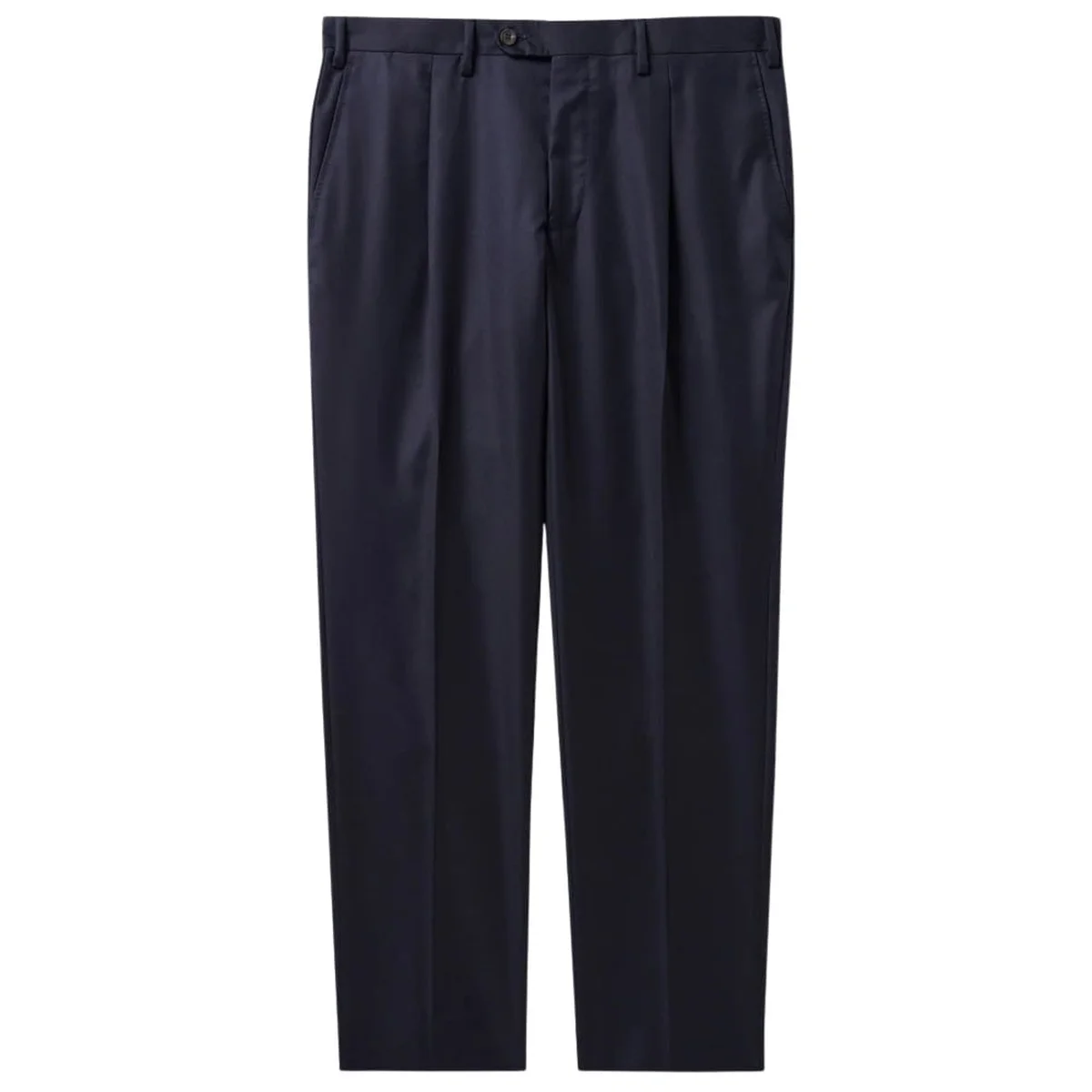
Leather is not new to the wardrobe. But the new season used it in silhouettes that had little to do with the standard motorcycle template. Structured blazers in leather. Polished and weathered pieces. Marni showed leather in structured blazers. Ferragamo worked polished and weathered pieces into sleek menswear. At Tom Ford, black leather appeared everywhere, from outerwear to evening looks. Outerwear that’s softer, less aggressively rock ‘n’ roll.
There’s a myth that you have to be a certain kind of person to pull it off. You don’t. You just need the right garment. An overshirt in leather. A blazer with a clean line. Trousers with a little structure. The material does the work — not the persona.
The Confidence Formula: one tailored leather piece + one simple neutral = effortless edge.
5. Monochrome with drama
All-black dressing gets sold as the safe option. And it is — up to a point. The strongest looks of the season showed how much more interesting tonal dressing becomes when you stop relying on color alone. Tom Ford and Gucci leaned heavily into black, using sharp tailoring, leather and varying degrees of sheen to create drama without colour. Texture and silhouette do the talking.
If color isn’t providing contrast, something else has to. Mix fabrics. Vary the proportions. Pair a matte piece with something smoother or shinier. One color doesn’t have to mean one note.
The Confidence Formula: one color + two textures + varied proportions = depth without noise.
6. Layering that breaks the rules
Layering has an unspoken rulebook you probably follow without noticing: thin over thick, longer over shorter, don’t overcrowd the neckline. The new season wasn’t interested in any of it. Shirts hanging below jackets. Extra layers of lapel. At Sacai, blazers were reworked with extra layers and exposed shirting. Junya Watanabe fused tailoring, sportswear and workwear into pieces that looked spliced together. Proportions turned on their heads.
You don’t need four layers or a stylist on retainer. Start small. Let a shirt hem hang beneath a cropped jacket. Layer a knit so the piece underneath shows. An overshirt worn under something shorter. The goal is a little visual tension — enough to make an outfit interesting, not so much that you look like you’re performing a bit.
The Confidence Formula: one unexpected layer + a clean base = visual tension.
A note from Isabelle
I used to buy the trend first and ask questions later. The blazer taught me otherwise. These six aren’t rules to follow — they’re a vocabulary. Take the one word that fits your life and leave the rest on the runway. You already have more in your closet than you think; you just need a reason to rearrange it.
Style isn’t about becoming someone else. It’s about the confidence to borrow just enough.
Read next:
- The 10-Piece Capsule Wardrobe
- Dressing for the Occasion: Interview to Dinner
- How Cost-Per-Wear Changed the Way I Shop