
The first real cold snap of autumn caught me at the open closet door, hand on a jacket that was quietly falling apart at the seams. I pulled it on anyway. By the time I got to the door, I’d already made up my mind: this year, I would stop buying more and start buying better.
That’s the question I hear from clients every single season, and it’s the question I asked myself the same morning. Not more things — better things. Here are the ten upgrades worth spending on, the ones I’d put my hard-earned money into this season.
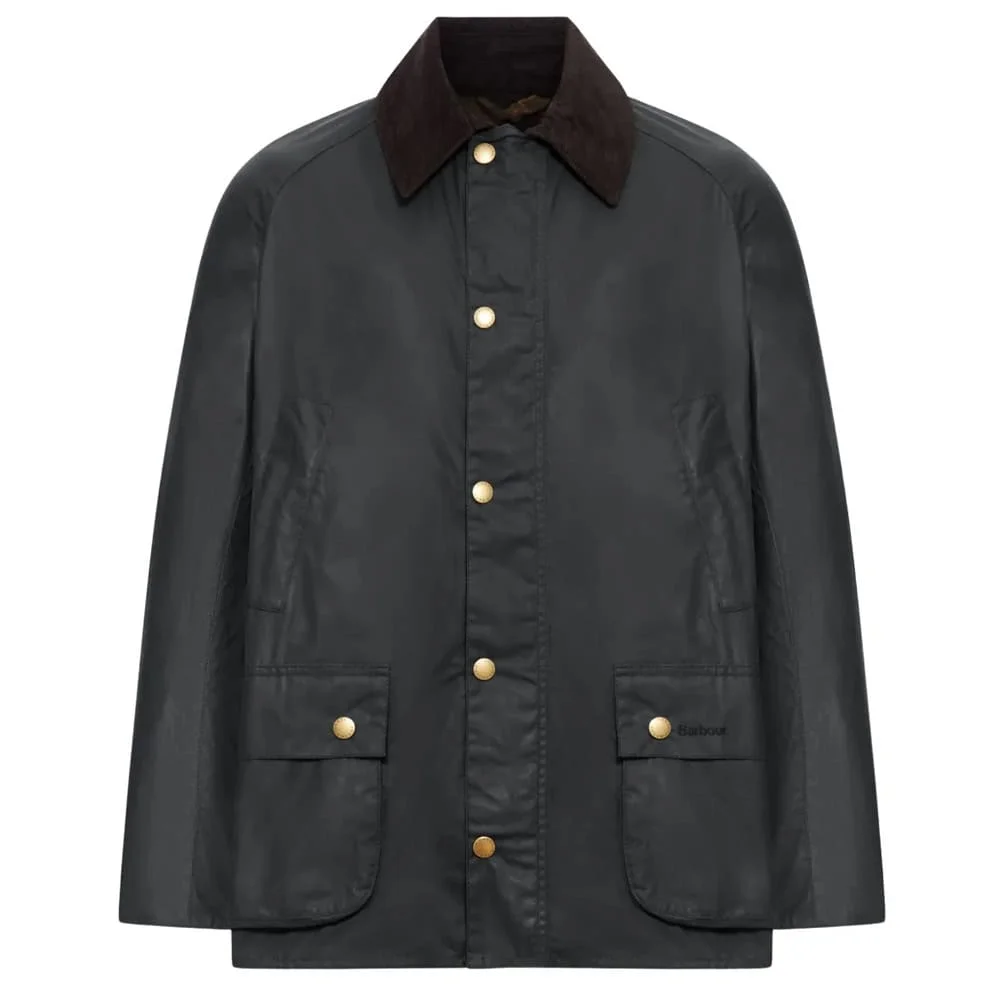
1. Buy A True Transitional Jacket
It’s too late in the year to lean on a light unlined overshirt, and still far too early to dig out a heavy parka. So many of us muddle through autumn in one or the other — perpetually a little too hot or a little too cold, never truly comfortable.
A proper transitional jacket bridges that gap. With the right layering underneath, it can carry you through winter’s cold days and the cooler evenings of summer, too. A classic waxed cotton jacket is one of the best examples: weather protection, a roomy cut for easy layering, and good looks that only improve with wear. It softens, it patinas, it becomes yours.
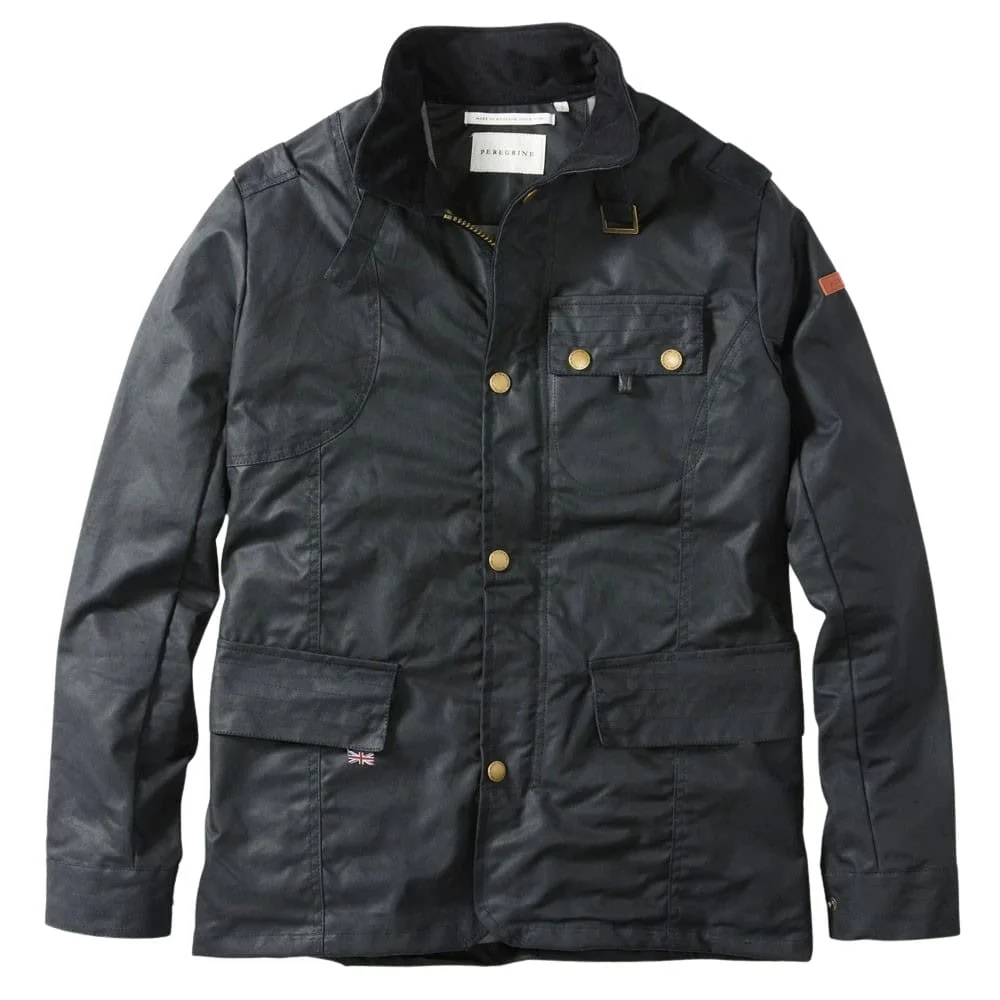
Isabelle’s Edit: a wax jacket in olive, brown, or black — the cut should let you layer a rollneck underneath without pulling.
2. Invest In Layering-Specific Pieces
Gilets, down liner jackets, rollneck sweaters — these are the pieces that make layering actually work. They add depth to an outfit and let you tailor your warmth to whatever the morning decides to do.
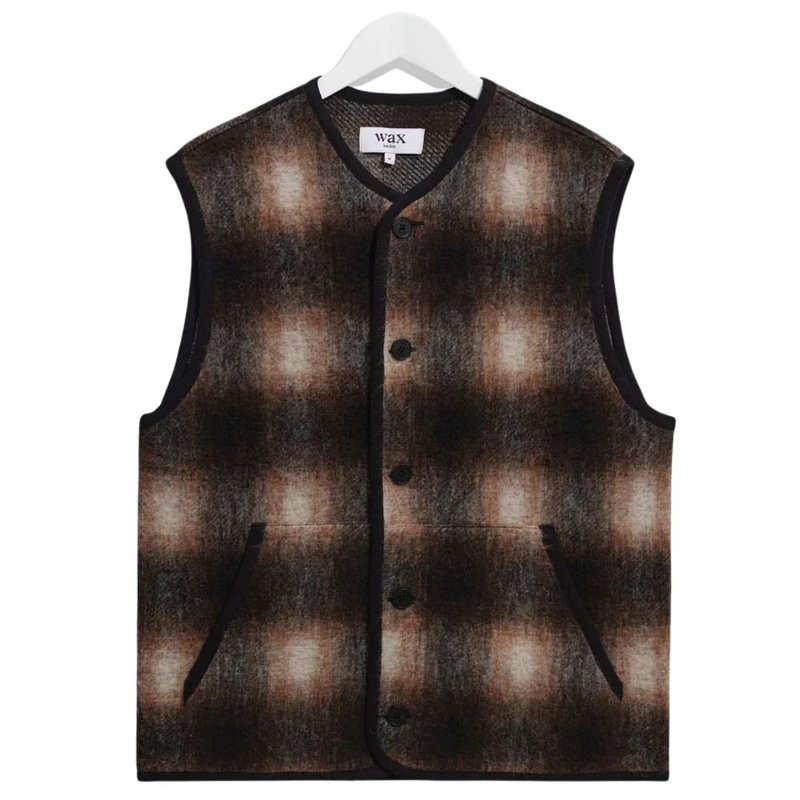
They’re worth spending on because they make getting dressed far more versatile: stack them on for a grey day, peel them off when the sun comes out. Start with an unlined gilet in a textured fabric like boiled wool — I look for one with buttons or a two-way zipper, so I can wear it open at the bottom for ventilation and keep the layers underneath visible.
Universal Works, Kestin and Wax London all have excellent options, and a down liner jacket from Taion or Danton completes the set.
3. Upgrade Your Scarf To Cashmere
A scarf is one of those things that’s easy to cheap out on. How different can one rectangle of fabric really be from another? Quite different, as it turns out. Moving from scratchy synthetics or basic wool to real cashmere is the kind of small change that makes a massive difference.
It’s softer, lighter and warmer than regular wool, so you get real insulation without wrapping half a sheep around your neck. I choose something relatively plain, in a colour that works across my whole wardrobe — grey, camel, navy or charcoal are difficult to get wrong. Look after it, and a good cashmere scarf lasts for years, which makes the admittedly lofty initial outlay much easier to justify.
4. Don’t Settle For A Lesser Overcoat
An overcoat is one of the biggest purchases of the whole autumn-winter season, and it’s not the place to cut corners. Cheap versions look convincing on a hanger, but lightweight fabric, a poor fit and a high synthetic content become obvious the moment you actually wear it out the door.
Spend more and you’ll generally get better wool, more substantial construction, and a coat that hangs rather than flaps around in the breeze. Look for a roomy cut with room for knitwear — or a light jacket — underneath, and raglan sleeves keep things relaxed and versatile.
Charcoal, navy and camel are the safest bets; dark brown is a particularly strong option if you want something less predictable and a little on trend. Buy well, and you could still be pulling the same coat out of storage twenty autumns from now.
5. Quartz < Mechanical
A proper mechanical watch is probably one of the most significant gifts you’ll ever buy yourself — and it’s something you’ll keep for life. There’s nothing inherently wrong with a battery-powered quartz movement, but there’s something about the intricate engineering of an automatic movement that makes it a little more special.
My first piece of advice: buy something versatile so the investment goes further. It’s hard to beat a simple dive watch on a bracelet in terms of sheer versatility. And you don’t have to blow your retirement fund to get a good one — Seiko famously has excellent options for well below the £500 mark (roughly $630), while Doxa makes, in my opinion, one of the most handsome dive watches under £1,000 (about $1,260) in the Sub 200. Vintage is worth a look, too.
6. Prioritise Fit
I’ve said it before, and I’ll say it again: find a good local tailor or alterations shop and befriend them. If you’re anything like me, your wardrobe is overflowing with pieces you never wear simply because they don’t quite fit right. Fixing that is one of the most cost-effective upgrades you can make.
It doesn’t matter how much a garment costs, how well made it is, or whose name is on the label — if it doesn’t fit properly, it will never look right. So before you do anything else, dial that in first. This is the piece of advice I repeat most often in consultations: this garment doesn’t suit you isn’t always about you. Sometimes it’s the cut. A good tailor can fix half of it.
7. And Fabric
Second to fit is fabric. Cheap materials present themselves as a good deal, but they reveal their true nature over time. Scrimp on poor-quality synthetics and the difference becomes obvious — if not in the awkward sheen, then in the way the garment loses its shape or degrades quickly.
Instead, buy pieces made from the best-quality materials you can afford, and prioritise natural fibres over synthetics. Think cashmere, flannel, heavyweight cotton and merino rather than polyester, nylon and acrylic. This is where cost-per-wear actually works in your favour: a better fabric costs more upfront and costs less every single day you wear it.
8. Spend More On Shoes That Will Last
Footwear is one area where spending more genuinely pays dividends. Cheap shoes are built to be worn until something fails, then thrown away. A properly made pair can be repaired, resoled and kept in rotation for decades — and it generally looks better as it ages, especially in good-quality leather or suede.
Look for stitched rather than glued construction — Goodyear welting and Blake stitching are the phrases to keep on your radar — and stick to classic styles you’re unlikely to tire of. A pair of sturdy derbies, loafers or leather boots works with almost anything and only improves with wear. Paraboot, Tricker’s, Kleman and Red Wing are all worth a look.
9. Good Denim Doesn’t Come Cheap
We’ve all owned those jeans that look great for six months, then the knees go baggy, the fabric thins, and the whole thing starts feeling a bit sorry for itself.
Good denim is different. It’s heavier, better constructed, and designed to improve with wear rather than simply deteriorate. You don’t need to disappear down the raw-denim rabbit hole, memorising fabric weights and debating the merits of different Japanese mills. Just look for something substantial, preferably made from 100% cotton, with solid hardware and a fit you’ll still want to wear when the next trouser trend rolls around.
Brands like OrSlow, FULLCOUNT, Warehouse & Co. and Iron Heart make some of the best. Yes, they’re expensive — but divide the price by a decade of wear and the maths starts looking considerably friendlier.
10. Go For Gore-Tex
If you want a waterproof jacket, stop trying to save money on an imitation and just get a proper Gore-Tex one in the first place. The fabric is designed to stop water droplets from passing through while still letting sweat vapour escape — the result is that you stay bone dry in wet weather.
Yes, other fabrics do much the same thing. But do you really want to spend hours researching outdoor gear? Gore-Tex has proven its worth over decades of hard use, so there’s little reason to shop around. For a good blend of performance and aesthetics, check out Nanamica and Veilance.
The Confidence Formula
Fit + Fabric = Flattering.
Buy fewer. Buy better. Wear longer. That’s the whole system.
a note from Isabelle
Style isn’t about becoming someone else. It’s about owning the pieces in front of you so completely that they stop being clothes and start being you. This autumn, pick one upgrade from this list — just one — and give it your best money. The rest will follow.
I’ll see you at the open closet door, one season better dressed.
Isabelle
Keep reading
→ How I plan my capsule wardrobe for the year
→ The cost-per-wear method, explained simply