
I stood at my vanity last month with another gadget gathering dust on the shelf. A red light mask this time. I had worn it twice in three weeks and told myself I simply did not have the patience.
But then I started reading the studies, and something shifted. The science behind red light therapy is not as vague as the marketing makes it sound — and that made me want to try again.
Why red light works on skin
Light has been doing things to our skin for a long time. Sunlight triggers vitamin D synthesis. UV rays stimulate pigment production. Lasers remove hair by turning light into heat.
The story with red light began in the 1960s, when a scientist zapped shaved mice daily with red laser beams looking for cancer. He found none — but the mice’s hair grew back faster. That accidental observation sparked thousands of studies since then, covering everything from wound healing and pain relief to skin improvements.
The evidence is not as solid as it is for sunscreen or retinoids, but it is clear enough that red light does something real. I will admit: before I looked into this properly, the whole thing felt like one of those trends you scroll past without thinking twice.
What happens inside your cells
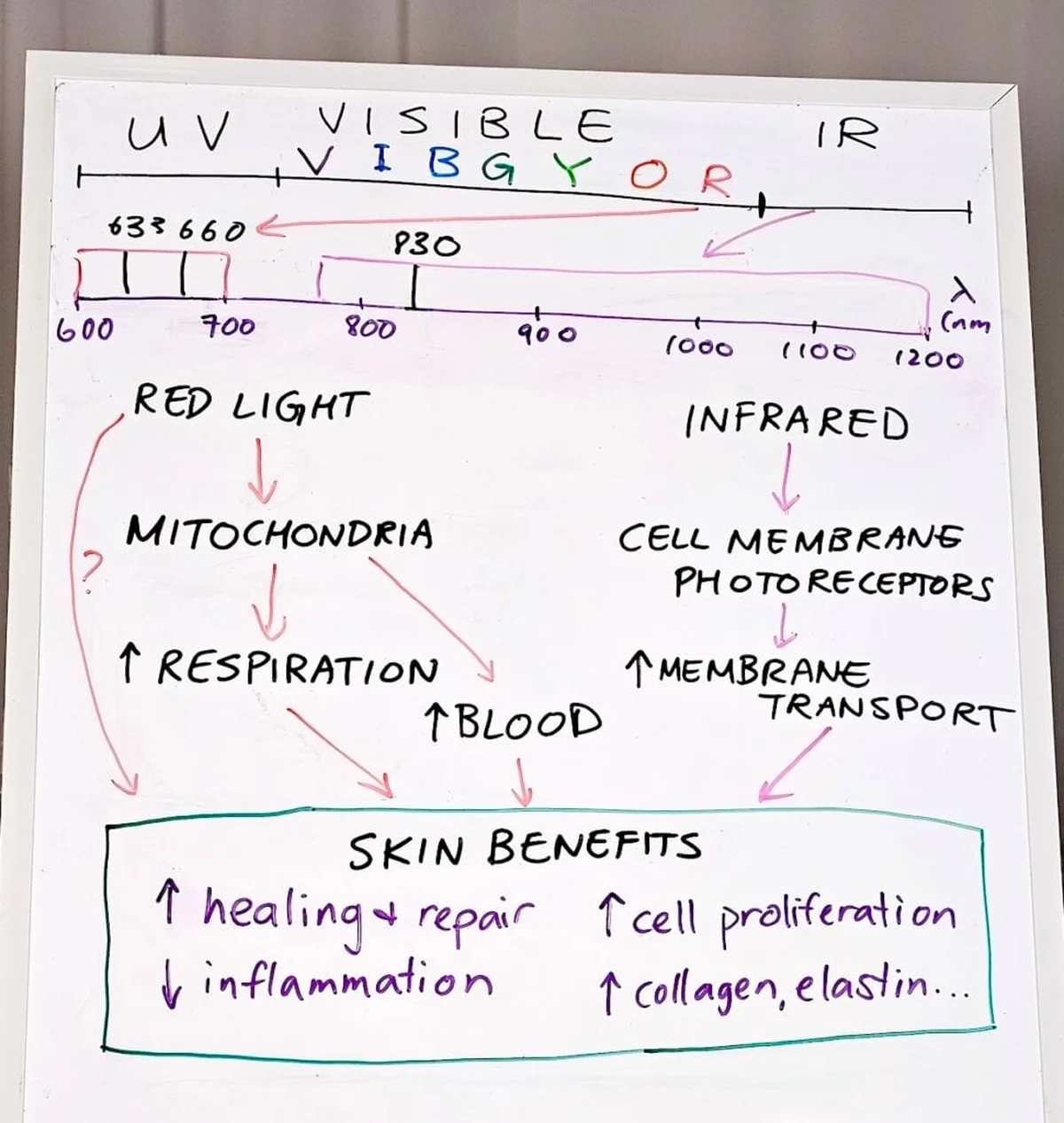
The mechanism scientists mostly agree on is called photobiomodulation — light modulating biological processes already happening in your skin. Red light is absorbed by mitochondria, the powerhouses of our cells.
Inside each mitochondrion sits an enzyme called cytochrome c oxidase. Nitric oxide normally blocks part of this enzyme, and red light breaks that bond so more oxygen can flow through. The result: more energy, faster cellular activity.
The effects we see on skin include faster healing, reduced inflammation, increased cell proliferation — including fibroblasts, the cells responsible for collagen and elastin. And the released nitric oxide widens blood vessels, boosting circulation that may add to the glow.
Wavelength matters — a lot
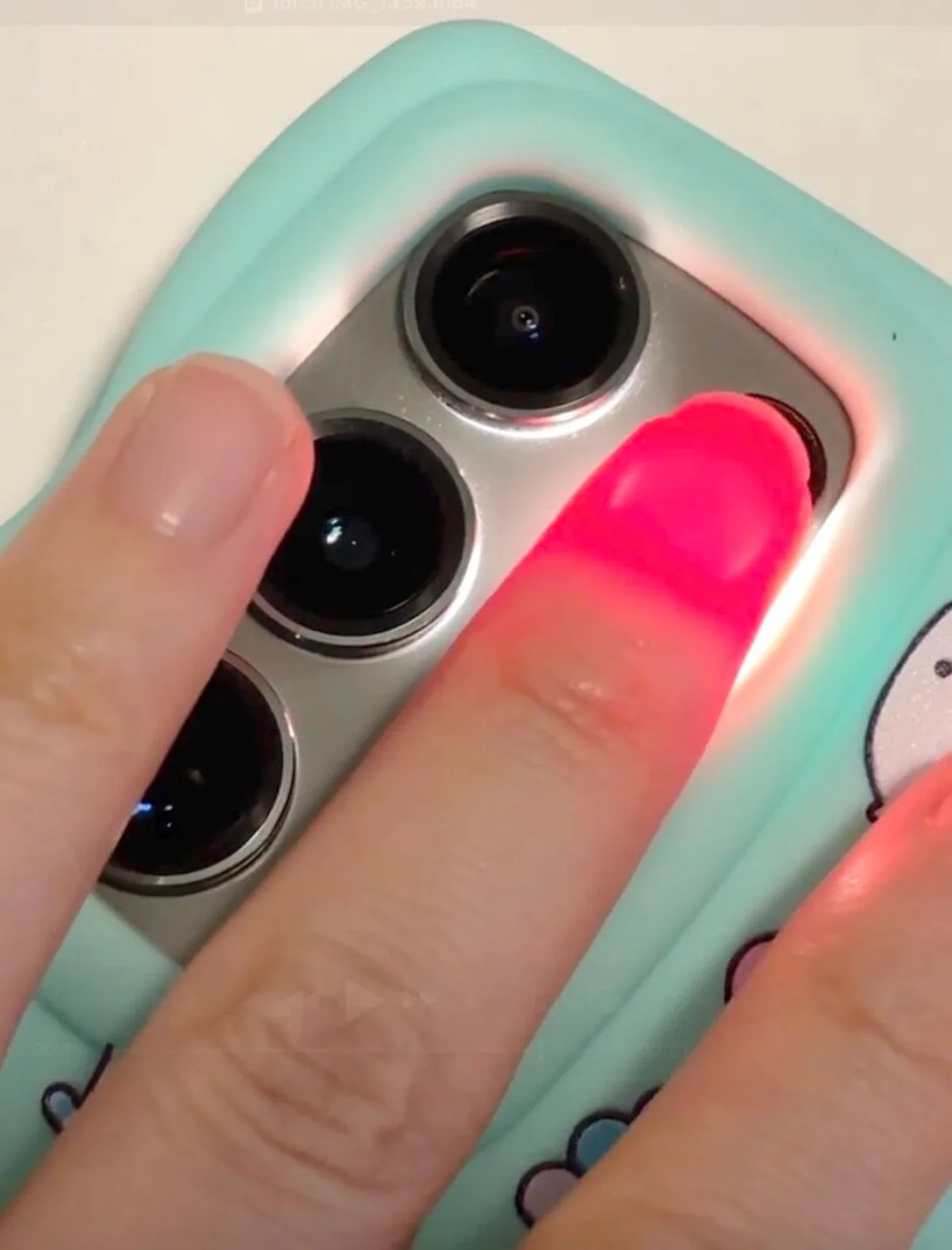
Your skin absorbs certain colours of light and lets others pass through. Think of it like cellophane: red laser passes straight through red film but dims when it hits blue. Energy gets absorbed where there is a mismatch, creating the potential for reaction.
For skincare, the most studied wavelengths fall between 600 and 700 nm — specifically 633 nm and 660 nm. Red light penetrates deeper than many other colours because it is not absorbed by surface layers.
Some devices also include near-infrared wavelengths, from 770 to 1200 nm, which penetrate even deeper and are absorbed by different parts of the cell. The most popular NIR wavelength for skin is 830 nm.
There is a gap between 700-770 nm where red light effects seem to pause — possibly because oxygen absorbs those wavelengths. And blue light (415 nm) serves a different purpose entirely: it targets acne bacteria by generating free radicals, though it can darken post-acne marks.
How much light is enough?
This is where things get messy. Dose is the total energy delivered to your skin, measured in joules. But dose alone does not tell the whole story.
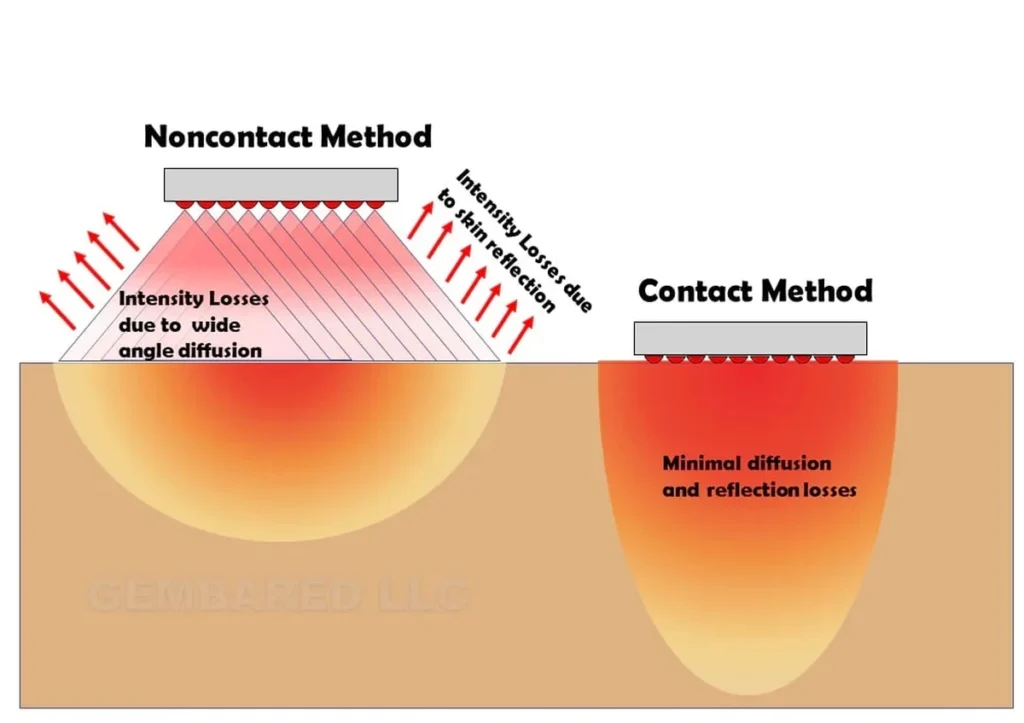
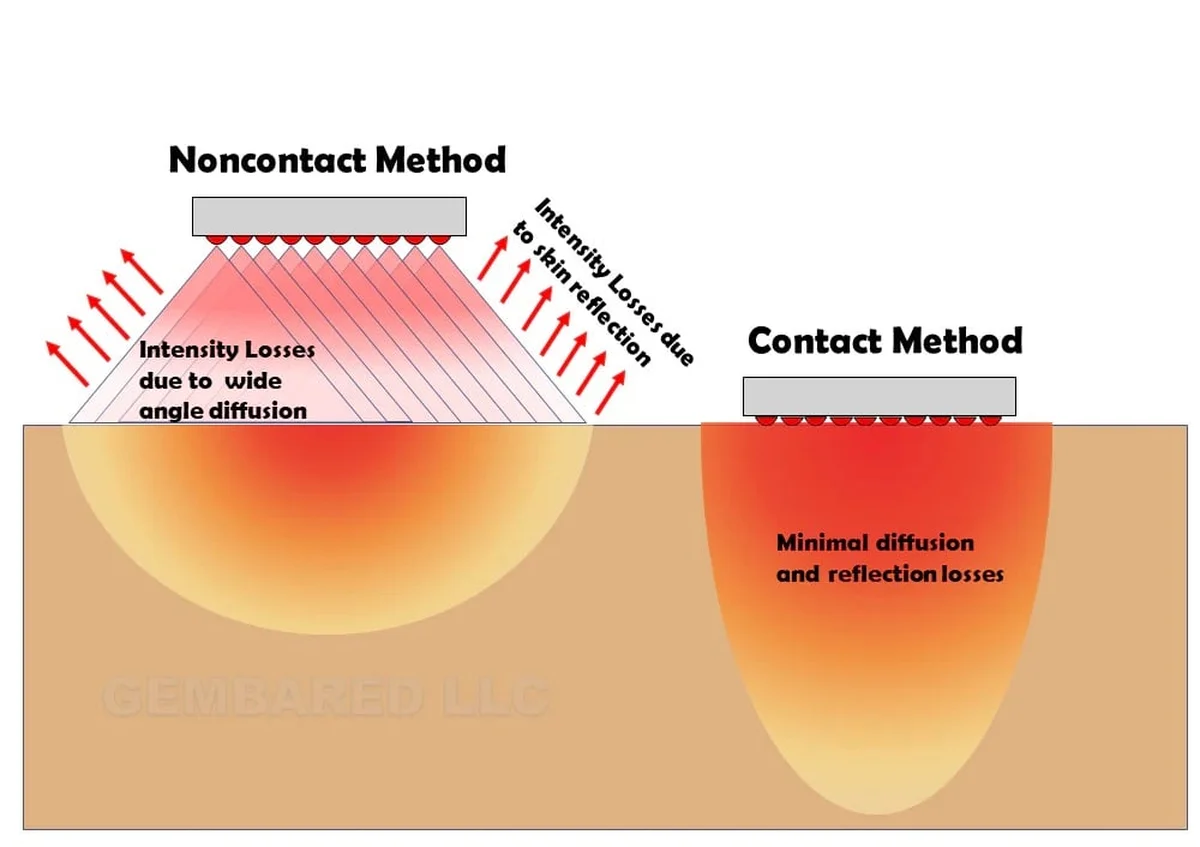
Irradiance — how bright the light is at your skin’s surface — may be the most practical number. Treatment time and frequency matter just as much. And application method matters more than people discuss: a mask pressing directly against your skin allows deeper penetration, while 60 to 90 percent of light can bounce off if the source sits further away.
The myth that masks are too weak
You may have heard this argument: a mask delivers only about 2 mW/cm², so 10 minutes with it equals just 6 seconds on a panel. Therefore the mask is barely doing anything.
The problem is that biology does not follow simple arithmetic. Eating three meals all at once does not give you the same result as spacing them out throughout the day — and light works the same way.
There is what scientists call a biphasic dose-response relationship: too little light produces no effect, increasing it brings benefits, but push too far and benefits decline. There is an optimal window in the middle where medium irradiance delivers the best results.
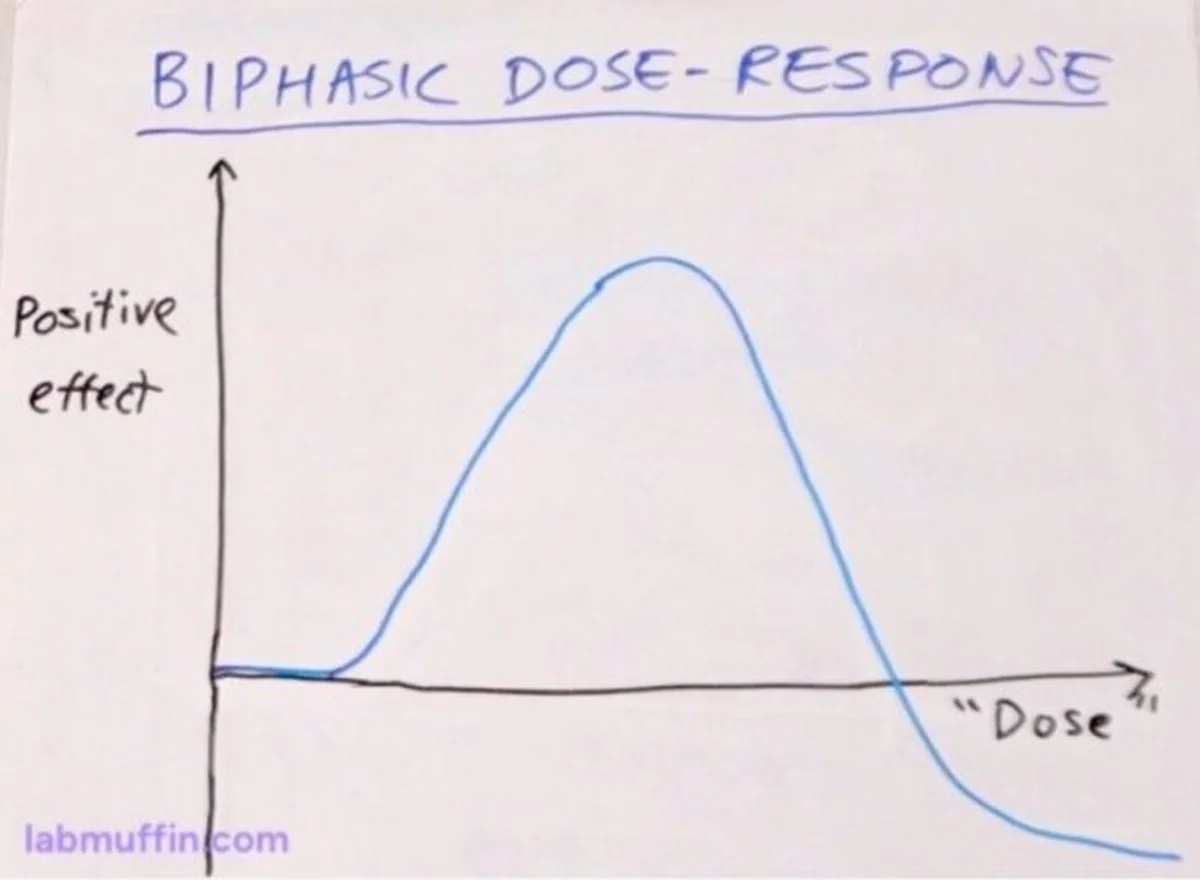
Additionally, a mask touches your skin directly while a panel does not — and that pressure difference changes how much light enters. The white interior of a mask also reflects bounced light back toward your face, which a panel cannot do.
Mask or panel?
I tell my clients to choose based on what you will actually use. The benefits of red light therapy are cumulative, so the best device is the one you stick with.
Panels tend to work well if:
- You want shorter treatment times
- You prefer treating larger areas beyond your face
- A fixed spot in your routine works for you
Masks tend to work well if:
- Portability matters — I cook dinner and answer emails while wearing mine
- You travel frequently
- You prefer hands-free treatment without staring into a bright light
How to choose a red light mask
The leading brands, Omnilux and CurrentBody, tend to share similar parameters. Here is what the research suggests works:
- Wavelengths: Red 600-700 nm (most tested: 633, 660 nm); Infrared 770-1200 nm (most tested: 830 nm)
- Irradiance: 30-35 mW/cm² for red + infrared; 30-44 mW/cm² for blue
- Treatment time: 10 minutes, 3-5 times per week
- Number of LEDs: 60-66 dual LEDs (sometimes listed as double: 120 or 132)
An exact match is probably not necessary. If a mask has slightly more LEDs with a marginally lower irradiance, it will likely still be effective.
A note from Isabelle
I used to buy the trend first and ask questions later. Red light masks were no exception — until I realised that understanding why something works makes it easier to commit.
You do not need the most expensive device on the shelf. You need one whose parameters align with what your skin responds to, and a routine you can keep without counting it as another chore.
Style is not about becoming someone else. Neither is skincare. It is about knowing enough to choose well — then trusting yourself to follow through.
Frequently Asked Questions
Do red light masks actually work?
Yes, but with realistic expectations. The evidence is strongest for improving skin tone, texture, and some signs of inflammation. It is not a replacement for sunscreen or retinoids, and results build slowly over weeks of consistent use.
How often should I use a red light mask?
Most devices and studies point to 3-5 sessions per week, for 10-20 minutes each. Consistency matters more than intensity. If your skin feels irritated, scale back rather than push through.
Is red light safe for all skin tones?
Red light does not rely on melanin the way lasers do, so it is generally considered safe across skin tones. If you have a condition that makes you light-sensitive or are on photosensitizing medication, check with a professional first.
Related Reads
Do red light masks actually work?
Yes, but with realistic expectations. The evidence is strongest for improving skin tone, texture, and some signs of inflammation. It is not a replacement for sunscreen or retinoids, and results build slowly over weeks of consistent use.
How often should I use a red light mask?
Most devices and studies point to 3-5 sessions per week, for 10-20 minutes each. Consistency matters more than intensity. If your skin feels irritated, scale back rather than push through.
Is red light safe for all skin tones?
Red light does not rely on melanin the way lasers do, so it is generally considered safe across skin tones. If you have a condition that makes you light-sensitive or are on photosensitizing medication, check with a professional first.