
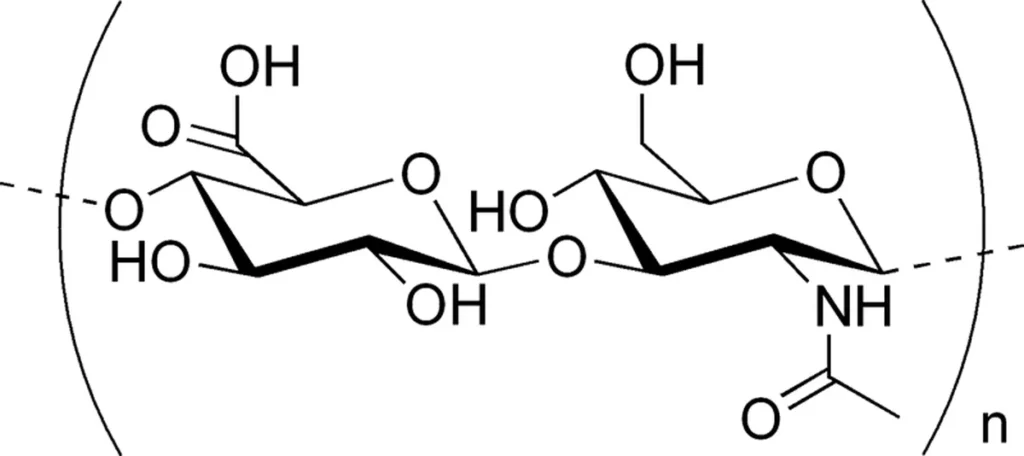
The other morning I stood in front of my bathroom mirror, serum bottle in hand, wondering if all these hyaluronic acid products were doing anything at all besides feeling nice on my skin.
I think we’ve all been there. You read that hyaluronic acid is a hydration miracle and you buy whatever sounds promising. But what does it actually do?
What Is Hyaluronic Acid, Really?
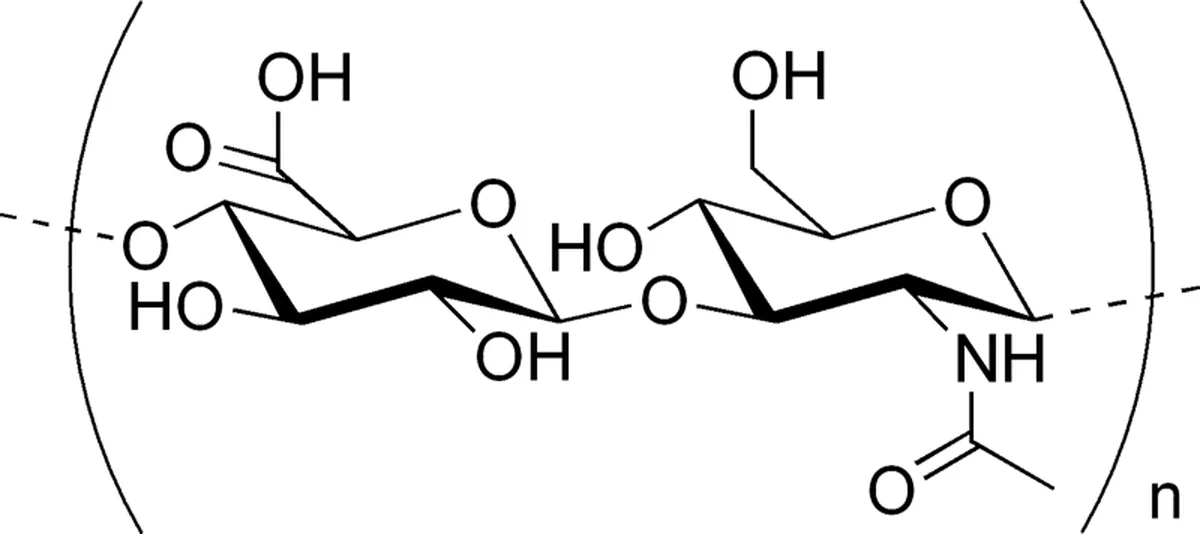
Hyaluronic acid — or HA for short — lives naturally in your body. Most of it sits in the extracellular matrix, the kind of scaffold that holds up your skin cells. You’ll find it in both the epidermis and the deeper dermis, where it plays a role in hydration, metabolic processes, skin repair, and protection against free radical and UV damage.
For years people thought HA levels decrease with age, leaving skin thinner and drier. But current research suggests something different: the amount doesn’t actually drop — it redistributes. Your body still has it; it just moves around as you age.
What It Does in Skincare
The short answer: it holds onto moisture, beautifully.
Hyaluronic acid is a humectant — meaning it draws water into the skin. Dehydrated skin shows up as fine lines and that tired look we all know well, so keeping your skin hydrated can make it look dramatically younger.
Here’s what I tell my clients: not all hyaluronic acid is created equal. It comes in different molecular sizes.
High molecular weight HA stays at the surface of the skin, holding water where you need a plumping effect right away.
Low molecular weight HA penetrates deeper — it can reach the lower epidermis and hydrate from within. Some research even suggests it helps improve your skin’s ability to repair itself and defend against microbial attack.
There’s some debate about whether low molecular weight HA can act as an inflammatory signal, but inflammation isn’t always a bad thing. Studies have found it helps with conditions like seborrheic dermatitis, and hopefully more research on normal skin will follow.
High MW + Low MW HA = Surface Plumpness + Deep Hydration
Don’t expect topical hyaluronic acid to replenish your body’s natural stores, though. Even the smallest molecules only reach the lower epidermis. It is a fantastic hydrating ingredient, and hydration does wonders for how well your skin functions — but that’s where the majority of its benefits lie.
Where Does It Come From?
Hyaluronic acid comes from two main sources: biofermentation (made by bacteria) and rooster combs. Yes, those dangly things on chickens. Rooster combs contain about 15 times as much hyaluronic acid as human skin.

If you’re vegetarian, it’s worth checking the source listed on your product label.
Beyond Skincare: Makeup and More
You’ll find dehydrated hyaluronic acid spheres in makeup too — particularly in skin-smoothing primers. The dry spheres sit in a water-free formula and sink into fine lines when you apply them. They start grabbing water molecules from your skin and the air, and that swelling effect helps hide lines almost instantly.
In other areas, chemically modified HA is used in injectable fillers like Juvéderm Restylane and Voluma for deep wrinkles. It’s also the basis of Macrolane, a filler used for breast and buttock enhancement. Oral supplements are available, though there are no demonstrated benefits yet — it’s questionable whether hyaluronic acid survives digestion intact.
Isabelle’s Edit: Products Worth Knowing
I can vouch for Indeed Labs Hydraluron personally, and I’ve heard good things about Hylamide Low-Molecular HA Rehydration Booster. For budget-friendly options with strong reviews, look at Timeless Hyaluronic Acid and Hada Labo Rohto Gokujyn Hyaluronic Acid Lotion.
One thing to keep in mind: the claim that one gram of hyaluronic acid holds six litres of water has been debunked. The original source had no reference for it, which is a nice reminder that even respected journals can repeat myths. If a fun fact feels too good to be true, trust your instinct.
A Note from Isabelle
You don’t need every hyaluronic acid product on the shelf — you just need one that matches your skin’s needs. Hydration is not complicated, even when the science sounds like it is.
Style isn’t about becoming someone else. The same goes for skincare: it’s about knowing what works for you and letting go of everything else.
You might also enjoy:
Keep Reading
Frequently Asked Questions
Can hyaluronic acid dry out your skin?
Only if applied to very dry skin in a dry environment — HA pulls water from wherever it can find it. Apply it to damp skin and seal it with a moisturizer, and it works as intended.
Is higher concentration always better?
Not really. Very high concentrations can feel sticky and sit on the surface. A well-formulated product at 0.5-2% often performs better than a poorly formulated 5% one.
Does hyaluronic acid work for oily skin too?
Yes. Hydration and oil are different things. Lightweight HA serums add water without adding grease, which can actually help oily skin that is dehydrated underneath.